
Why QR codes are a brilliant addition to charity DRTV campaigns
The ‘second screen’ is no longer a theory; it’s a reality. We know that while supporters are watching our ads on the big screen, their smartphones are almost certainly within arm’s reach. This habit has fuelled the success of SMS and PSMS for years, but lately, another response mechanism has been stealing the spotlight: the QR code.
Since the pandemic, QR code usage has exploded globally. We’ve seen commercial giants like Vodafone and Amazon lead the charge, integrating QR codes into their tv advertising, allowing viewers to scan and buy instantly without leaving their sofas. It’s seamless, it’s clever, and for the charity sector, it’s a game-changer.
DTV’s insight: global success
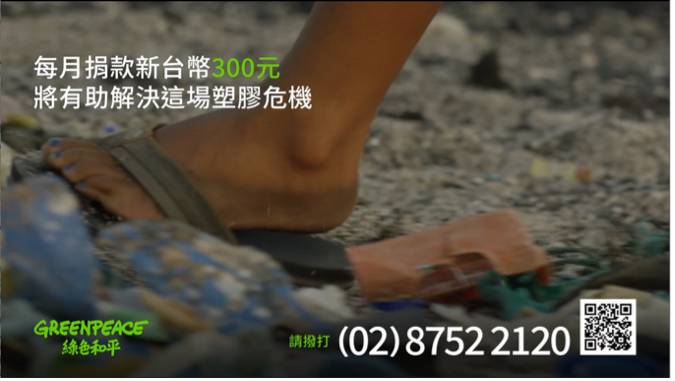
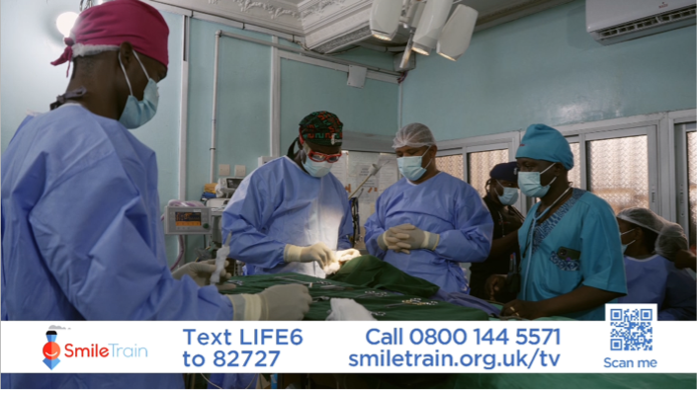
DTV has been testing QR codes globally for several years, and the results speak for themselves. In markets like Taiwan and Korea, our work with partners such as Greenpeace and UNHCR has shown that QR codes are now often more popular than traditional SMS or phone mechanisms.
In Europe and Australasia, the trajectory is similar. We are seeing a steady climb in engagement as donors become more comfortable with scanning to give.
Why QR is a huge win for charities
Beyond the ease of use for the supporter, the real magic of the QR code lies in the data. For a fundraiser, the biggest advantage is 100% attribution. Unlike a search term or a generic URL, a QR code can tell you exactly which station, which creative, and which time-slot prompted the gift. They are incredibly cost-effective to set up and allow us to create bespoke user journeys. For example, we can send a supporter to a landing page that mirrors the specific TV creative they just saw, providing a seamless transition from the screen to the donation form. This improved user journey has seen us increase online conversion rates on QR code pages vs other online traffic.
DTV’s top five tips for QR success
If you’re looking to integrate QR into your next DRTV campaign, here is how to do it effectively:
Set up is key
Think of a QR code as a digital freephone number. By using differing UTM parameters for different codes, you can make your attribution by creative, length, and station incredibly accurate, allowing for much sharper media optimization.Lean into granular reporting
Ensure you are capturing time-stamped visits. By matching scan data back to TV spots, you can calculate a specific QR response rate. Because scan volumes are typically higher than calls, this data provides a much richer pool for media planning.Mobile-optimized pages are non-negotiable
Every single person who scans a QR code is on a mobile device. Your donation form must be flawlessly optimized for mobile. To enhance the user experience further, mirror the imagery of your TV ad on the landing page so the supporter knows they are in the right place.Voice the call to action (CTA)
A QR code is a response mechanism just like any other. Don’t just let it sit silently on screen. If your voiceover explicitly asks viewers to "scan the code on screen now," you will see a significant lift in scan volumes.Allow time (x2)
First, give the code enough airtime. Unlike a phone number that can be scribbled down, a viewer needs a few seconds to find their phone, open the camera, and steady their hand. Second, give your testing time. If initial volumes are low, don’t panic. As adoption grows, the benefits of better UX and tight attribution will far outweigh the initial learning curve.
Ready to test QR in your next campaign?
Contact the DTV team to find out how we can help optimize your response tech.

Bio
Chris Clarke, Head of Data at DTV
Chris has been working in the fundraising sector for 21 years, 14 of those at DTV. He heads up the Media and Analytics team, optimising the performance of our fundraising campaigns.