
Reclaiming the voice of civil society

DTV first invited me to share my thoughts on this, having been inspired by a presentation from Paul de Gregorio of Rally at the Resource Alliance’s International Fundraising Congress in October 2025. To say a lot has changed in politics since then is something of an understatement but the need for our sector to reclaim the voice of civil society has only become more urgent. Here I’ll share what I think we can learn from the far right to do just that.
Is there any hope?
Hope is impossible to escape in the current zeitgeist. Many charity brands are using it brilliantly to engage supporters in what can often feel like a relentlessly bleak world.
As a strategist, I can’t resist reaching for a model to help explain how we might reclaim hope. The Overton Window describes the range of political ideas considered acceptable or “mainstream” at any given moment. Ideas outside the window are seen as radical or unthinkable; ideas inside it are regarded as sensible and legitimate. Politicians generally (or at least historically) operate within the window, while activists, media organisations and cultural forces work to shift its boundaries.
The political right has used this dynamic to its advantage. As a result, policies that would once have been viewed as extreme have increasingly entered mainstream political discourse and become part of the wider cultural narrative.
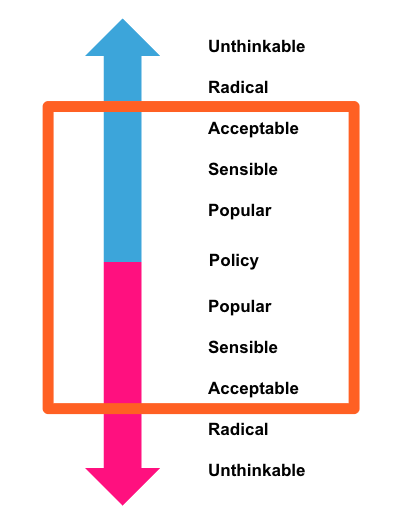
For civil society, there is reason for optimism. If the Overton Window can be pushed in one direction, it can also be narrowed or shifted in the other.
Why does the right win?
Why is the right driving the news cycle, pulling mainstream political parties onto its territory, and forcing civil society into a defensive position? More importantly, what can we learn from their success?
They understand the new digital landscape. The right understands that the internet is not a neutral force. Digital is treated as a core strategic channel, not an optional add-on. They recognise that outrage and controversy are rewarded with clicks, engagement and reach, and they design campaigns accordingly, ensuring their messages spread widely across our social feeds.
They also invest significantly in awareness and consideration activity, giving them the space to play a longer game. By contrast, much of the charity sector remains focused on short-term financial return. And they have mastered short-form video. Nigel Farage, for example, has amassed more than 1.3 million followers on TikTok.They have a communications playbook that matches the moment. Their messaging is simple, memorable and highly repeatable. Slogans such as “Make America Great Again” and “Stop the Boats” are easy to understand and easy to adopt. They can quickly become part of a supporter’s identity and are designed to travel through conversations, social networks and traditional media alike.
Who can we take inspiration from?
Zack Polanski and Zohran Mamdani are notable examples of political figures who have successfully captured voters’ imaginations through compelling storytelling and highly shareable digital content. One of Polanski’s campaign videos attracted more than 11 million views in October last year, demonstrating the power of clear, values-led communication.
Praxis
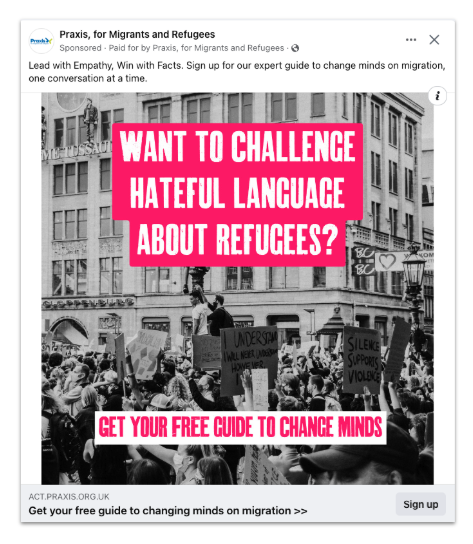
Praxis are a wonderful migrant and refugee charity, who punch above their weight. They created this value exchange campaign with the offer of a guide for people who share their values and want to have conversations about refugees with friends or family who don’t share their views. The guide includes advice such as asking them their opinion and sharing personal stories about migration. It’s also a brilliant example of trying to shift opinions by calling in rather than calling out.
British Red Cross
Their emails are some of the best in the sector. They react quickly to events and assure me I share their values.
The day after the government announced proposed asylum reforms last year, I received an email acknowledging that “many of the people we support will have woken up feeling scared and anxious today.” It was a simple but effective example of responding rapidly while demonstrating empathy and moral clarity.
In summary
We can all be part of this moment. We just need to be bold, clear of our values and proud of what we stand for. We need to coordinate, support one another and mobilise the public to support who and what we exist to protect.
Want to find out more?
Across the country audience research is focusing on how and why the political landscape is shifting so rapidly. The insights captured here we can use to our advantage - particularly if we want to bring the ‘persuadable middle’ closer. Some recommendations:
HOPE not Hate’s State of Hate 2026 report
More in Common - a non-profit research agency that aims to understand what Britons think and why. Their newsletter and podcast are particularly valuable resources for anyone interested in public attitudes and social change.
And last but not least DTV’s Courage to Care campaign and film together with a free toolkit for the sector.
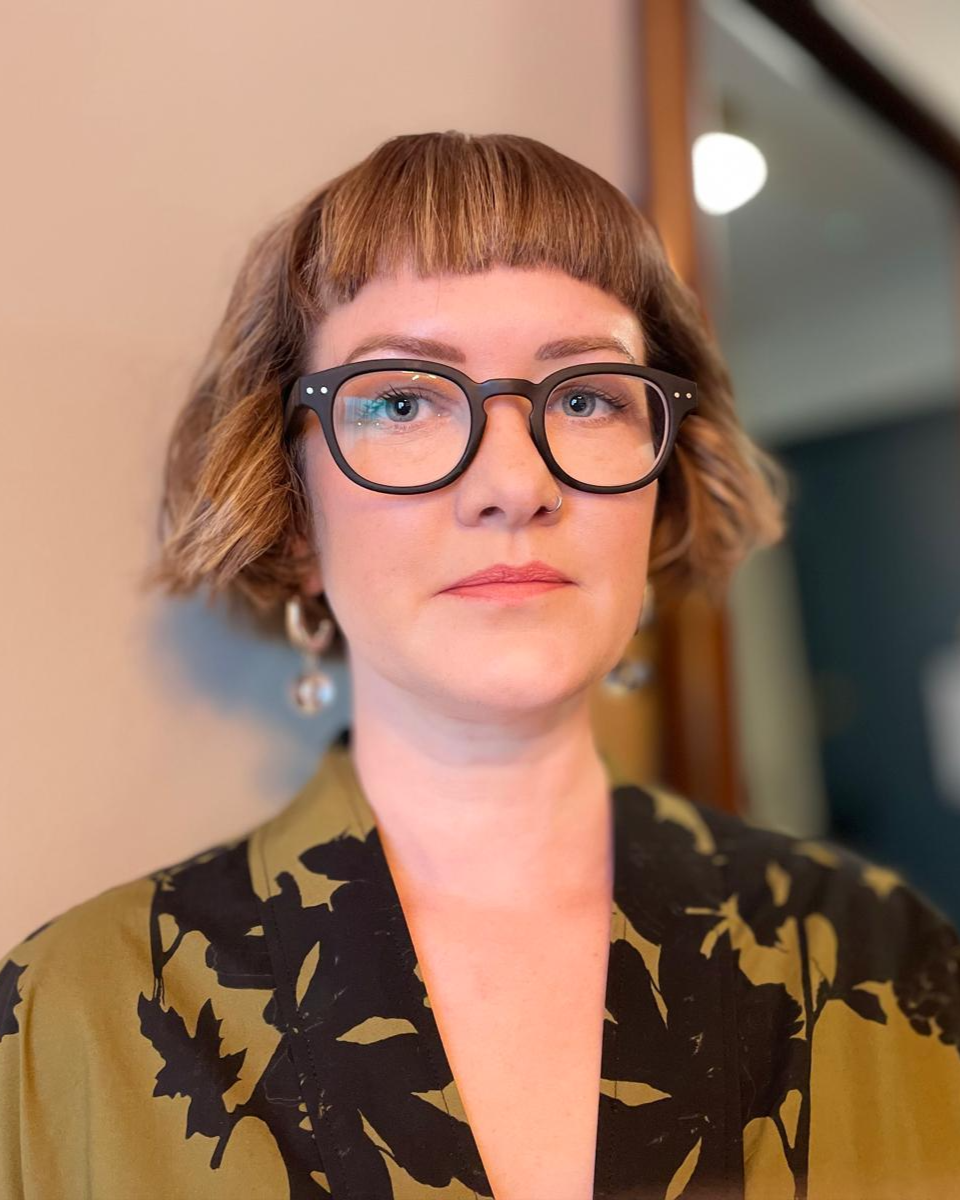
Fiona Pattison is a fundraising and brand strategist with two decades of experience across creative agencies, in-house teams and freelance consultancy. You can find her on LinkedIn here.